


Air Curtains

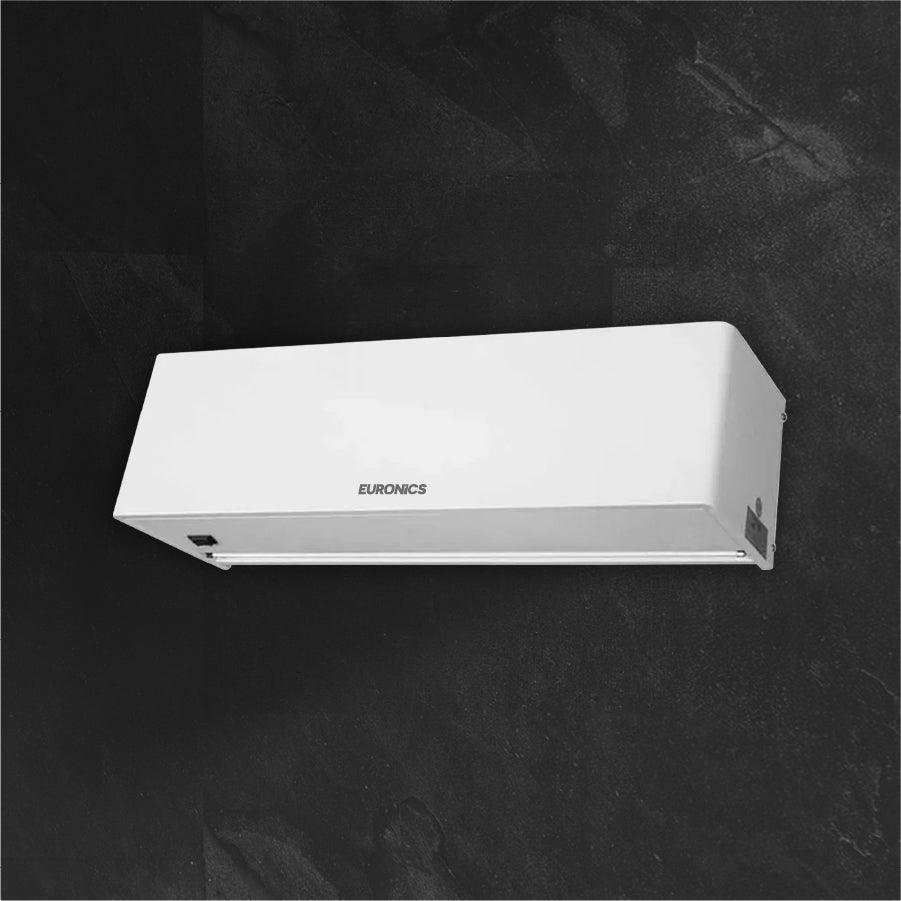
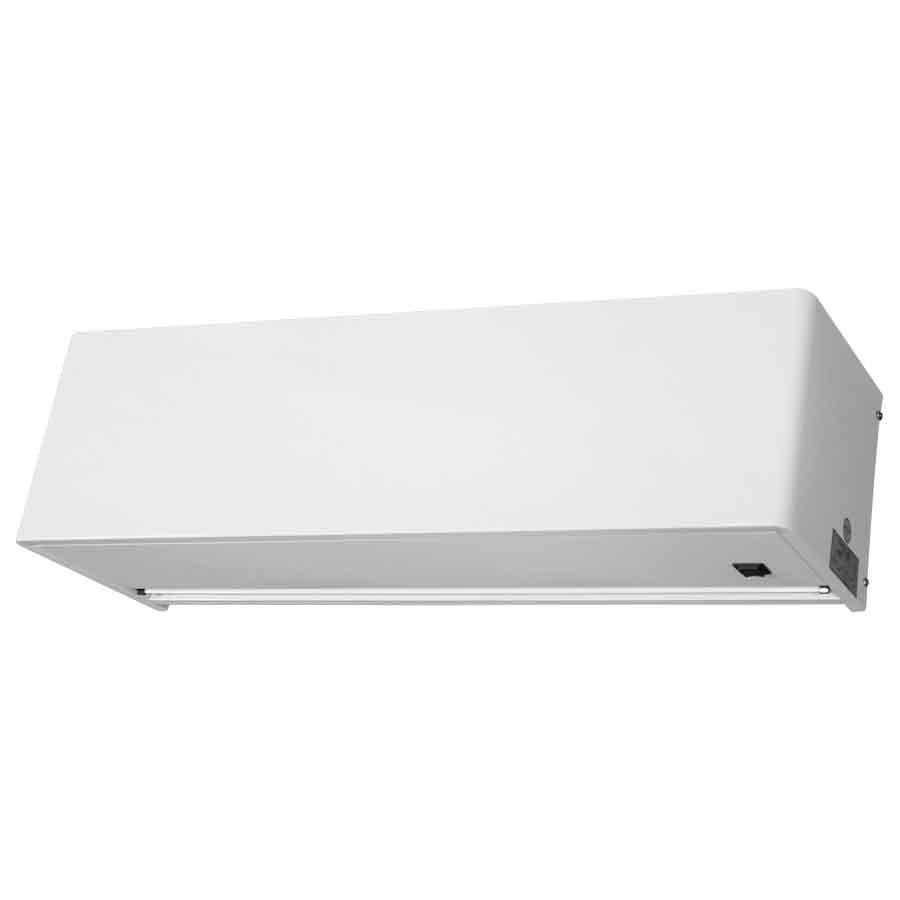
The air curtain is a device installed above doorways, creating a flow of high speed air over an entrance way. The invisible air wall creates separation between the indoor air and the outside air, allowing companies to maintain the indoor climate during door openings and closures, which helps to control temperature, energy consumption, dust, insects, fumes, and smells. Some other names for air curtains are: air doors, air shields or air screens & air cutter machines, and they are used by many industries, from restaurants and retailers to warehouses, food factories, airports, and metros.
What Problems Does an Air Curtain Solve?
Air curtains are designed for use in places where the frequency of door openings is too high, such as corporate buildings entrances, for these kind of prolonged periods throughout working hours. The high speed air jet solves the issues arising from a door left open.
- Loss of cooled or heated air through the open doorway
- Dust, insects, odors, smoke, and exhaust gases entering the area from outdoors
- Discomfort experienced by the workers and customers due to hot or cold air flow
- Higher energy bills and inefficiency in cooling/heating system operation
- Risk of contamination in food establishments, hospitals, etc.
- Entry of insects and birds into food preparation rooms, storage units, manufacturing facilities, etc.
An air curtain is thus well suited to establishments needing access via open doors but not desiring the losses associated with it.
Types of Euronics Air Curtains, Use Cases & Features
Commercial Air Curtains (Standard Entrance Doors)
Specifically designed for customer facing entrance doors requiring aesthetic appeal, silent running, and reliable operation during peak business hours.
- Door suitability: height 7 to 11 ft, width 3 to 6 ft, medium to high traffic.
- Common use cases: restaurants and cafes, retail stores, supermarkets, offices, clinics, salons, banks, showrooms.
-
Key features: high airflow, optimized air throw for standard door sizes, low noise running motors suitable for interior use, energy efficiency, durable ABS material construction, multi speed motor adjustment, optional motion detectors or door interlocks.
Industrial Air Curtains (Tall & Wide Openings)
Engineered for non stop operation in large doorways exposed to strong outdoor airflow, dust and dirt, as well as frequent vehicular traffic.
- Door suitability: height 11 to 22+ ft, width 6 to 8 ft and above, very high traffic volume.
- Common use cases: warehouses, production facilities, logistics terminals, loading docks, airports, metro stations, public buildings of great dimensions.
-
Key features: powerful industrial air curtain blower for tall doors, optimized air throw for industrial entrance doors, low maintenance running motors with long duty cycles, energy efficiency despite a significant airflow, durable metal construction, multi speed motor adjustment, BMS system compatibility.
Sensor & Remote-Controlled Air Curtains
High end air curtains, activated only when the door is opened, with a remote control for choosing speed and mode.
- Use cases: upmarket retail stores, lobby areas of hotels, luxury restaurants, executive office entryways.
- Key features: motion sensor activation and door switch activation, remote controller for selecting speed and timer, reduced energy consumption by using it only when required, quiet motors.
Commercial vs Industrial Air Curtain Comparison
| Attribute | Commercial Air Curtains (Below 11 ft) | Industrial Air Curtains (Above 11 ft) |
| Recommended Installation Height |
Up to 11 ft (≈ 3.3 m) |
Above 11 ft up to 22+ ft (≈ 6.7 m) |
| Typical Door Width Coverage | 3 to 5 ft (900 to 1500 mm) |
3 to 8 ft using single or multiple units |
| Airflow Range | Medium to high airflow for commercial entrances | High-volume airflow for large industrial openings |
| Air Velocity | High velocity for frequent pedestrian traffic | Very high velocity to withstand pressure differences |
| Motor Configuration |
Energy-efficient motors for daily commercial use |
Heavy-duty motors engineered for 24/7 industrial use |
| Power Supply Options |
Single or three-phase (commercial-grade) |
Three-phase (industrial-grade) |
| Noise Performance |
Low to moderate, suitable for occupied spaces |
Moderate, optimised for performance |
| Body Construction | ABS or metal housing | Heavy-duty metal construction |
| Blower Type | Balanced blowers for consistent airflow | Industrial blowers for extended air throw |
| Primary Applications | Retail, offices, restaurants, clinics, malls | Warehouses, factories, logistics hubs, cold storage |
| Energy Efficiency Focus | Reduces conditioned-air loss in AC spaces | Minimises HVAC load in large-volume industrial areas |
| Certification | CE and GS approved | CE and GS approved |
How to Select the Right Air Curtain
The selection of an appropriate air curtain depends on door dimensions, intended use, air flow rate, among others. Consider the guidelines below.
- Accurate measurement of the door size including any header over the door
- Determination of intended use, that is, comfort cooling, pest management, room separation or heavy duty industrial use
- Determine the appropriate air flow rate and velocity according to the height of the door
- Consider suitable body construction using ABS, metal or stainless steel based on use
- Consider motor strength, sound and energy performance with regard to duty cycles
- Automation options like sensor activation, manual door switch, and remote operation
- Availability of warranty, AMC services and pan India service support
Benefits of Installing Euronics Air Curtains
Energy efficiency: reduction in conditioned air loss contributes to saving up to 40% of energy through door openings.
- Increased comfort: constant interior temperature ensures comfort of personnel and customers.
- Hygiene: provides protection against flies, dust, fumes, and outside smells.
- Visible entrances: doorways remain visually appealing and inviting.
- Quick return on investment: lower HVAC system operating costs result in fast ROI: in just 12 to 24 months.
- Reduced cleaning effort: less dust intake equals fewer cleaning cycles required.
- Pest exclusion: especially beneficial for entrances of restaurants, hotels, and medical facilities.
Why Choose Euronics Air Curtains Over Other Brands
- In-house engineering and quality control: air curtains are engineered and quality-checked internally, not rebranded imports, so performance and service sit with one manufacturer.
- 25+ years of industry experience: more than two decades providing air-management and washroom-hygiene infrastructure across Indian commercial and industrial environments.
- A unit for every doorway: commercial models for standard entrances (7–11 ft), industrial blowers for tall, wide openings (12–22+ ft), and sensor/remote-controlled units for premium lobbies.
- Built for Indian commercial and industrial use: durable ABS, metal, and stainless-steel housings, multi-speed motors, and BMS compatibility for continuous operation.
- Trusted by leading enterprises: installed across Amazon, CBRE, JCB, JLL, and the Tata group, among thousands of retail, hospitality, healthcare, transport, and industrial sites.
-
Pan-India service, warranty, and AMC: spares and support across India, with warranty and AMC agreements available for institutional clients.
Installation & Maintenance Guidelines
- Install the air curtain above the door such that the unit occupies full width of the doorway
- Ensure that the throw distance of the airflow touches the floor creating an airtight seal
- Ensure that the unit is installed with its air throw directed outwards slightly against the incoming air current
- Ensure that all electrical standards are met, isolators and earthing should conform to local standards
- Maintenance: Intake and output grill cleaning to ensure continuous airflow
- Maintenance: Motor and bearing check from time to time
- Maintenance: Adjust speed based on season: more speed during summer, less otherwise
Common Places Where Euronics Air Curtains Are Installed
- Places like restaurants, cafes, and food courts
- Retail outlets, malls, and grocery stores
- Corporate offices, IT parks, and clinics
- Hospitals and healthcare centers
- Hotels, banquet halls, and places of hospitality entry
- Warehouses, industries, and distribution centers
- Airports, metro stations, and other transport terminals
- Cold storages and food processing facilities
- Government buildings and infrastructure