

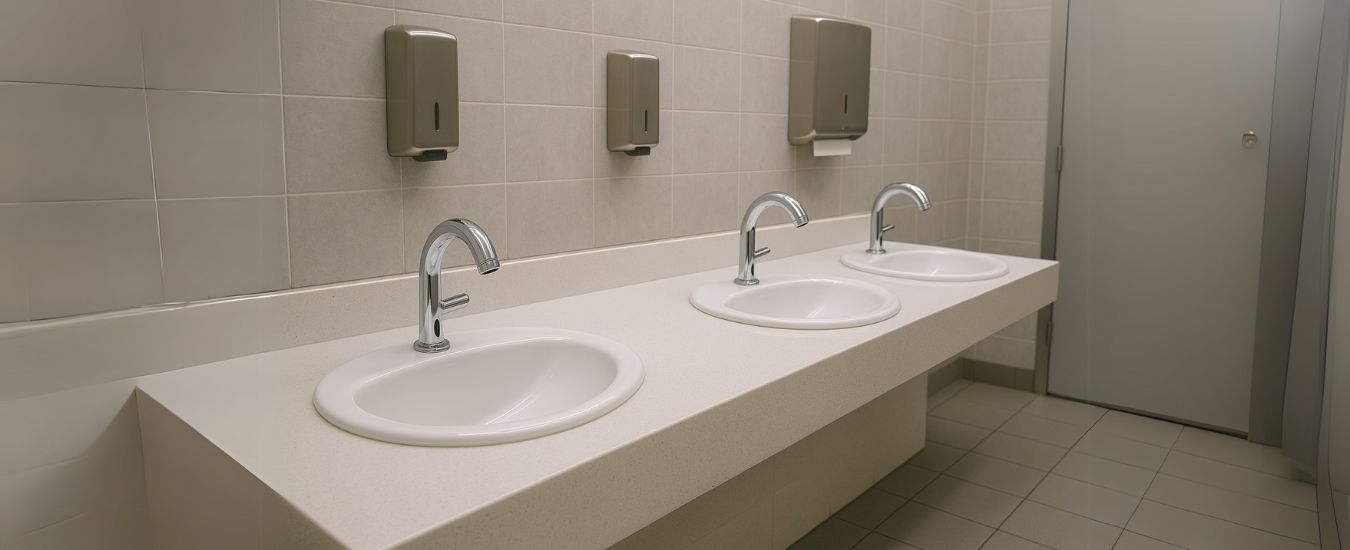
Understanding Sensor Taps in Washrooms
The Importance of Sensor Taps in Commercial Washrooms
Sensor taps are a bit like the superheroes of the washroom world. They swoop in, save the day by keeping our hands clean, and lower water bills without us even lifting a finger. Perfect for bustling places like airports, shopping centers, and office buildings where germs spread faster than air.
Why They're Neat:
- Keep It Clean: They cut down on the grubby-hand problem by letting us wash up without touching any handles.
- Water Savers: These taps know when to pipe down, turning off when no one's there—good for both environment and your wallet.
- Easy Peasy for Everyone: No twisting or turning, just wave and wash—ideal for folks who might struggle with traditional faucets.
How Sensor Taps Work for Hygiene and Efficiency
These automatic taps use some high-tech wizardry (okay, maybe just infrared sensors) that spot your hand and cue the water. Everything happens seamlessly and usually involves gadgetry cleverly hidden at the tap’s base.
Core Parts:

- Seeing Eye (Infrared Sensor): Spots your hands and signals for the water to flow.
- Gatekeeper (Solenoid Valve): Opens and closes to start/stop water based on hand detection.
- Electric Juice (Power Supply): Keeps things powered up whether from batteries or plugged in.
- Brainbox (Control Unit): Keeps everything ticking so water bursts forth on command.
| Part | What it Does |
|---|---|
| Seeing Eye | Senses hands and starts the flow |
| Gatekeeper | Regulates water flow |
| Electric Juice | Powers the bits and bobs |
| Brainbox | Synchronizes the whole show |
Perks of Tech Magic:
- Hands-Free Zone: Germs stand no chance when there's nothing to touch.
- No Waste Wins: Water flows only when needed, stopping when it should, preserving every drop.
- Steady Eddy Service: Makes sure it's the same great wash time every time.
For those running the show in these busy places, getting to grips with how sensor taps work can seriously up the hygiene game. Keep th'em in good nick, and they'll deliver the goods—a clean hands and happy users kind of deal.
Essential Sensor Tap Maintenance Tips
Regular Cleaning and Inspection
Keeping your sensor taps in tip-top shape means a bit of regular cleaning and going over them with a fine-tooth comb. These little checks help the taps work like a charm and keep everything squeaky clean.
- Surface Cleaning: Give the outside of your taps a good wipe with a soft, damp cloth and a splash of mild detergent to nix any grime and dirt. Steer clear of harsh cleaners that might mess up the finish.
- Sensor Area: The sensor's like the eyes of your tap, so make sure it's free and clear of gunk like soap scum and water spots. A clean sensor means it picks up movements better.
- Inspection: Take a gander at the taps every so often. Look for anything sketchy like loose parts, leaks, or weird noises—these might signal deeper issues.
| Maintenance Task | How Often | What You Need |
|---|---|---|
| Surface Cleaning | Weekly | Soft Cloth, Mild Detergent |
| Sensor Area Cleaning | Weekly | Soft Cloth, Mild Detergent |
| Visual Inspection | Every two weeks | Your Eyeballs |
Calibrating Sensor Settings for Optimal Performance
Getting the sensor settings just right is the secret sauce to making sure your sensor taps work like a dream. You want them to spot hands when they're there, not when they’re not.
- Sensitivity Tuning: Adjust how touchy the sensor is based on where it's used. Too touchy and it'll go off at the drop of a hat; not touchy enough, and it misses the action.
- Range Tweaks: Set the range so the tap turns on when hands are right under it. This helps cut back on wasted water from goof-ups.
- Timing Controls: Tinker with how long the water runs after activating. You want to save water without having folks wave their hands every few seconds.
| Calibration Task | How Often | What You Need |
|---|---|---|
| Sensitivity Tuning | On - Demand | Manufacturer's Directions |
| Range Tweaks | On - Demand | Engineer's Direction |
| Timing Controls | On - Demand | Manufacturer's Directions |
By sticking to these handy maintenance tips, folks managing facilities can keep their sensor taps efficient, hygienic, and ticking for the long haul.
Preventative Maintenance Techniques
To keep those sensor taps working along in your bustling washrooms, regular check-ups are your secret weapon. Nip those annoying sensor glitches and water hiccups in the bud before they become a real nuisance.
Addressing Potential Sensor Malfunctions
When sensor taps act up, it kind of defeats the purpose of having them, right? Spotting sensor problems like oversensitivity or alignment issues early is the trick. Regular eyeballs on these taps can save you from bigger headaches later. Think about common hiccups like the sensor missing its cue or batteries running dry—keeping these in check is gold.
Common Sensor Issues and Solutions
| Sensor Issue | Potential Issues | What To Do |
|---|---|---|
| Sensor doesn't wake up | Dead batteries | Swap those batteries often |
| Late Water Output | Sensor's off-kilter | Adjust it—follow the instructions |
| Too jumpy | Sensitivity drama | Fiddle with those settings |
Getting in there and having a regular check to see if things are aligned can spare you bigger troubles. Facility folks should know their sensors inside out, and manuals are there for a reason—use them for fine-tuning. And hey, give that sensor lens a wipe now and then; dust-free is the way to be!
Ensuring Proper Water Flow and Temperature
You want a steady stream of nicely tempered water, one minute and a trickle the next, right? Uneven flow or incorrect temps can leave washroom users less than impressed and speed up wear and tear.
Water Flow and Temperature Maintenance
| Issue | What's Up | Maintenance Trick |
|---|---|---|
| Weak water play | Gunked-up aerator | Clean it or chuck it for a new one |
| Temp all over the place | Thermostat's moody | Test and tweak that thermostat |
| Constant dripping | Valve on its last leg | Swap out the worn valve |
Make sure those aerators are squeaky clean—it's good for morale and water flow alike. Keeping an eye on the thermostat helps keep things just right, temperature-wise. Regular leak checks can catch those pesky drips before they drain your patience and your wallet.
So, staying ahead with a routine look-see at the sensors and water flow will stretch the life and efficiency of your taps in busy facilities. With regular TLC, facility managers lay down the red carpet for a smooth and squeaky-clean experience.
Longevity and Sustainability
 For folks juggling public and commercial washrooms, keeping sensor taps ticking over without a hitch is a must. Make sure they're built to last—saving cash and keeping them clean. Below are some no-nonsense tips to make sure those taps keep going strong.
Extending the Lifespan of Sensor Taps
A happy tap is one that works like a dream for years on end. Keeping on top of maintenance stops those pesky little problems before they turn big and expensive.
- Regular Cleaning: Gunk be gone! Wipe down those sensors and faucets so they stay sharp. A soft cloth and gentle cleaner are your buddies here.
- Periodic Inspections: Give taps the once-over regularly to catch loose bits, leaks, or any other niggles that could cause trouble.
- Sensor Calibration: Double-check the sensor's got the right settings so it only goes on when it should. Too touchy or not touchy enough and it's a recipe for annoyance.
- Replace Worn-Out Parts: Swap out those old -school washers, seals, and random little parts when they start to go. It'll save bigger headaches later.
Implementing Routine Maintenance Schedules
Lock in a regular maintenance playbook to keep sensor taps hitting their stride and slash the chances of pricey repairs or toss-outs.
- Daily Checks: Have a gander first thing and last thing each day for any glaring issues.
- Weekly Cleaning: Give faucets a good clean and polish each week, especially those sensor bits, to shake off any dirt or grime.
- Monthly Inspections: Go over everything with a fine-tooth comb once a month, tightening up those connections and swapping out small parts as needed.
- Annual Servicing: Get a pro to give the system a thorough going-over annually, making sure everything's performing like clockwork.
| Maintenance Task | How Often | What to Do |
|---|---|---|
| Daily Checks | Daily | Look for any obvious issues, nip them in the bud |
| Weekly Cleaning | Weekly | Scrub taps clean with the right stuff |
| Monthly Inspections | Monthly | Dig deeper; fix what needs fixing |
| Annual Servicing | Yearly | Call in the pros for a full once-a-year checkup |
Stick to these sensor tap pointers, and you'll keep them running like a dream. Reliable, efficient, and in it for the long haul—that's the name of the game.
Browse Our Trending Categories
Hand Dryer | Soap Dispenser | Air Curtain | Carpet Tiles Flooring
What Are The Benefits of Using a Commercial Soap Dispenser in Public Washrooms?
How a Stainless Steel Health Faucet Enhances Public Washrooms?