

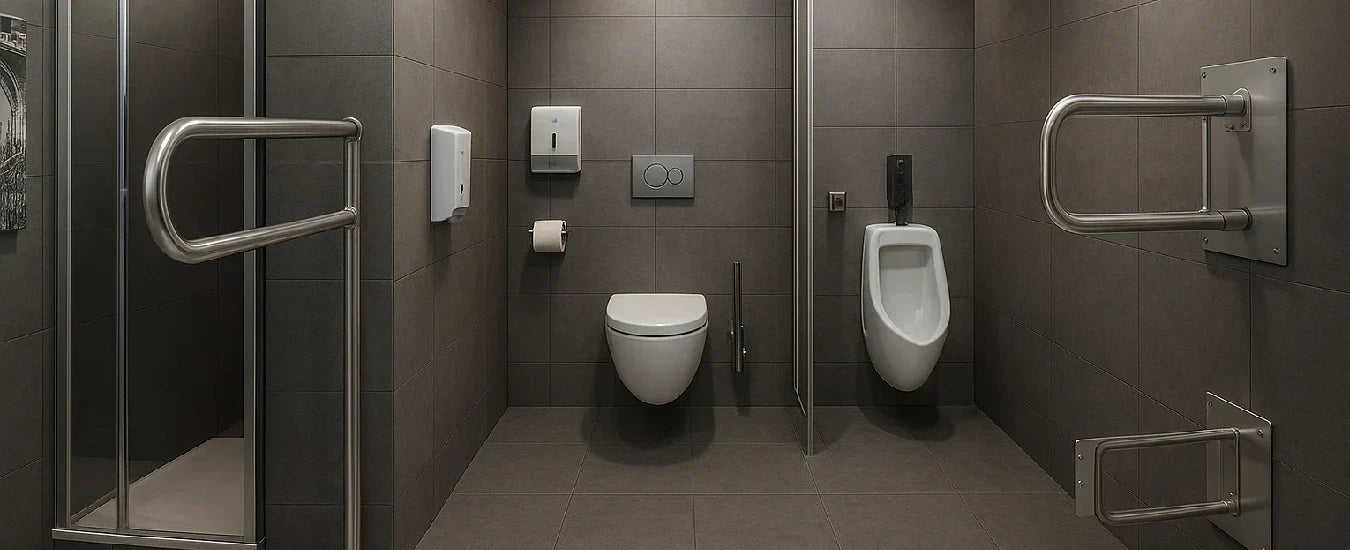
Welcome! If you’re looking for an installation guide for handicap toilet grab bars that boost both safety and comfort in public or commercial spaces, you’re in the right place. Whether you’re a builder, an architect, or a compliance officer, you already know that properly installed grab bars can make all the difference for people with limited mobility. In this article, we’ll walk through each step of the process. We’ll explore why these bars matter, how to choose the right materials and measurements, and how to securely install them so they meet legal standards. By the end, you’ll have the practical know-how to create a comfortable and compliant washroom setup that anyone can use confidently.
Recognize the importance of accessibility
Helping users feel safe and independent isn’t just a trend, it’s part of today’s building standards. Grab bars assist those with mobility challenges in maintaining balance, supporting their weight, and navigating the restroom with minimal help. Think of them as a straightforward upgrade that goes a long way toward better inclusivity.
-
Boost user confidence: A sturdy bar can ease anxiety, especially for older adults or individuals with joint problems.
-
Satisfy legal codes: Many regions have building regulations that require these fixtures in all public restrooms.
-
Enhance reputation: Demonstrating accessibility readiness can attract clients and end users who value inclusive design.
When you look at any public restroom project, building in the right accessibility features reduces risk, improves safety, and shows a commitment to best practices. After all, nobody wants a visitor or customer to experience an accident in their facility. Grab bars are a relatively simple way to make a big impact.
Learn about essential guidelines
Before you break out the power drill, familiarize yourself with the relevant accessibility codes. Requirements can vary, but rules typically address:
-
Bar height: Most regulations specify mounting the grab bar on the wall at a certain height from the floor. The magic number often hovers around 33 to 36 inches, although you’ll want to confirm local requirements.
-
Bar length: The horizontal grab bar behind a toilet might need to be 36 inches or more, while sidebars near a toilet often measure 42 inches for extended coverage.
-
Bar diameter and gripping surface: Bars usually range from 1.25 to 2 inches in diameter, with enough clearance from the wall to ensure a secure hold.
-
Weight capacity: To be safe, plan for a bar that supports at least 250 pounds, though many bars handle 300 pounds or more.
Because these regulations can differ depending on your region’s building codes, it’s smart to double-check official documents. If you skip this step, you risk having to redo the installation. Plus, you want the people using your facility to feel truly confident the moment they grab hold.
Choose the right materials
Did you know you can find grab bars in everything from stainless steel to plastic composite varieties? While you may be tempted to pick a lightweight material, there are a few factors to keep in mind:
-
Durability: Commercial spaces call for heavy-duty fixtures. Stainless steel is a popular go-to because it’s resistant to stains, scratches, and general corrosion.
-
Hygiene: A smooth, non-porous surface helps with easy cleaning. In a public washroom, you want a bar that doesn’t trap bacteria or odors.
-
Aesthetics: Chrome, brushed nickel, or even colored finishes can complement the restroom’s style. If you want a consistent look, consider picking matching accessories like soap dispensers or coat hooks.
-
Grip texture: Some grab bars have subtle ribbing or textured grips so users can hang on more securely. That extra traction makes the bar less slippery when wet.
In many cases, facility managers prefer stainless steel bars with a brushed or satin finish. They tend to hide smudges while still looking polished and professional. Whatever you choose, check that the manufacturer’s specifications align with the weight capacity and code requirements for your project.
Determine proper positioning
Positioning a grab bar depends on how your restroom is laid out. The main goal is to place the bar in a spot that feels natural for the user to reach while lowering or raising themselves. Typically, you’ll have two main areas to consider:
-
Behind the toilet
-
Along the side wall
Behind the toilet
The horizontal bar behind the toilet is usually installed at a consistent height, often between 33 and 36 inches from the floor. This bar helps individuals stabilize themselves from behind as they sit or stand. Leave enough space on either side so that someone using a wheelchair can maneuver comfortably.
Along the side wall
A side-mounted bar is often longer (around 42 inches) to provide ample support. You want it close enough to the toilet so that users can get a proper grip without bending over awkwardly. Make sure there’s enough clearance around dispensers, trash bins, and any other accessories.
Useful table for quick reference
|
Grab bar length |
Recommended use |
Typical mounting height |
|---|---|---|
|
24 inches |
Smaller stalls or side walls |
Approx. 33" from floor |
|
36 inches |
Standard bar behind toilet |
Approx. 33-36" from floor |
|
42 inches |
Extended coverage near toilet |
Approx. 33-36" from floor |
While these numbers give you a reference, double-check your local building codes for exact measurements. If you’re outfitting multiple stalls, consistency can help users feel comfortable navigating each space.
Follow the installation steps
All set on positioning? Great. Now it’s time to walk through the actual process. You’ll need a few tools:
-
Stud finder
-
Measuring tape
-
Level
-
Pencil or marker
-
Power drill with the right bit
-
Mounting hardware (screws, anchors, brackets) recommended by the grab bar’s manufacturer
-
Silicone sealant (especially for wet areas)
Here’s a step-by-step look:
-
Locate the studs
-
Use a stud finder to identify the wall studs behind your tile or drywall. Grab bars require solid support. Anchoring directly into studs is crucial for stability, especially in busy public restrooms. Mark each stud clearly with a pencil.
-
-
Measure and mark
-
Once you’ve confirmed your height against code requirements, measure carefully from the floor up. Mark the exact points on the wall where the mounting brackets will attach. Double-check with your level so your bar won’t end up crooked.
-
-
Pre-drill the holes
-
Use the recommended drill bit for your chosen hardware. Drill through the tile or drywall in your marked spots. Make sure the holes line up with the studs you located. Wear safety glasses if you’re drilling through hard tile.
-
-
Attach the mounting brackets
-
Insert the appropriate wall anchors (if needed), then secure the brackets using the screws recommended for your grab bar. Test each bracket with a firm tug to ensure it’s fully fastened and stable.
-
-
Mount the grab bar
-
Slide the bar onto the brackets, then lock it in place according to the manufacturer’s instructions. Give the bar a gentle shake to check for wobble. It should feel snug and unmoving.
-
-
Seal the edges
-
If your restroom sees a lot of moisture, add a thin line of silicone sealant where brackets or screws meet the wall. This extra step keeps water from seeping in and damaging your interior walls.
-
-
Final inspection
-
Stand back and confirm the bar is level. Make sure the end caps or hardware covers are in place. If the bar is obviously off-kilter or wobbly, loosen the screws, adjust, and re-tighten.
-
Maximize safety and comfort
A properly installed bar does more than meet a line item on your checklist. It broadcasts that you care about each user’s well-being. Here are some tips to raise the bar (no pun intended) on restroom accessibility:
-
Offer dual support: Installing two bars in strategic locations can provide multiple gripping points.
-
Keep up maintenance: Inspect the bars routinely to ensure screws remain tight and hardware isn’t corroded.
-
Add non-slip floors: Even the sturdiest bar can’t fully compensate for a slick floor. Consider slip-resistant paint or tiles so users maintain firm footing.
-
Ensure proper lighting: If the space is dimly lit, users might struggle to locate the grab bar quickly. Adequate lighting improves safety.
Extra features to consider
-
Backrest: Some accessible toilets come with transitional backrests to help transfer from a wheelchair.
-
Fold-down bar: In narrow stalls, a foldable grab bar can be tucked away when not in use.
-
Hand sanitizer or tissue holder: If there’s space, adding these next to or near the bar can make the user experience that much easier.
Address common pitfalls
Let’s be honest, not every installation goes off without a hitch. Maybe you find out the studs aren’t where you expected, or your tile cracks during drilling. Here’s how to troubleshoot a few common issues:
-
Missing studs where needed: Use a mounting system designed for grab bars that comes with heavy-duty anchors. These specialty anchors, sometimes called “fasteners for hollow walls,” distribute weight more evenly.
-
Cracking or chipped tile: Always use a carbide-tipped or diamond-tipped bit when drilling through porcelain or ceramic tile. Drill slowly, and apply minimal pressure.
-
Incorrect height: If you discover your chosen height fails to meet code, you’ll need to fill the previous holes and re-drill. It’s a hassle, but ensuring compliance is essential for user safety and code inspections.
Encourage user confidence
Why do all this work if the grab bars look questionable or unstable? A well-installed bar is worthless if people think it’s flimsy. You want your grab bars to be rock-solid and visually reassuring. Here’s how to earn that vote of confidence:
-
Use hardware with visible, rust-free finishes.
-
Keep the bar clean. Spotless metal or plastic instills trust.
-
Post signage. A simple sign indicating accessible features can guide people who need them the most.
Regular upkeep goes a long way. Set a schedule to wipe down the bars and check for any loose hardware. Even a minor wiggle can erode confidence fast. Swift repairs show you’re serious about maintaining a professional and safe environment.
Maintain routine inspections
Like any fixture in a public restroom, grab bars deal with daily wear and tear. Schedule a quick inspection at least once a month. Look for:
-
Loose screws
-
Rust or corrosion on metal bars
-
Cracks or discoloration on plastic components
-
Damage to the wall around the brackets
If you spot something off, don’t put off repairs. Fixing a minor issue early can prevent a more costly overhaul later. Plus, you’ll continue providing a reliably secure experience for visitors.
Summarize your next steps
You’ve reviewed the guidelines, chosen your materials, and mapped out your plan. Now it’s time to bring it all together. By following these steps and ensuring your grab bars meet code requirements, you can create a public washroom that truly welcomes everyone.
-
Know your local codes so you don’t risk non-compliance.
-
Choose high-quality materials that won’t corrode or loosen over time.
-
Position bars at the correct height and length for maximum effectiveness.
-
Double-check you have solid anchors, preferably into studs, to handle significant weight loads.
-
Keep up with regular maintenance, so your bars always look and feel dependable.
Congratulations, your facility can offer an installation guide for handicap toilet grab bars that genuinely supports safety and comfort. When you take the time to do it right, users will feel the benefits immediately. So take your measurements, plan your layout, and give your visitors the peace of mind that only a confidently installed grab bar can provide. After all, a truly inclusive restroom is more than a code requirement, it’s a reflection of your commitment to everyone who walks through your doors.
Your Friendly Air Curtain Buyer’s Guide 2025 for Businesses
Smart Hygiene Begins with Modern Hand Dryers