

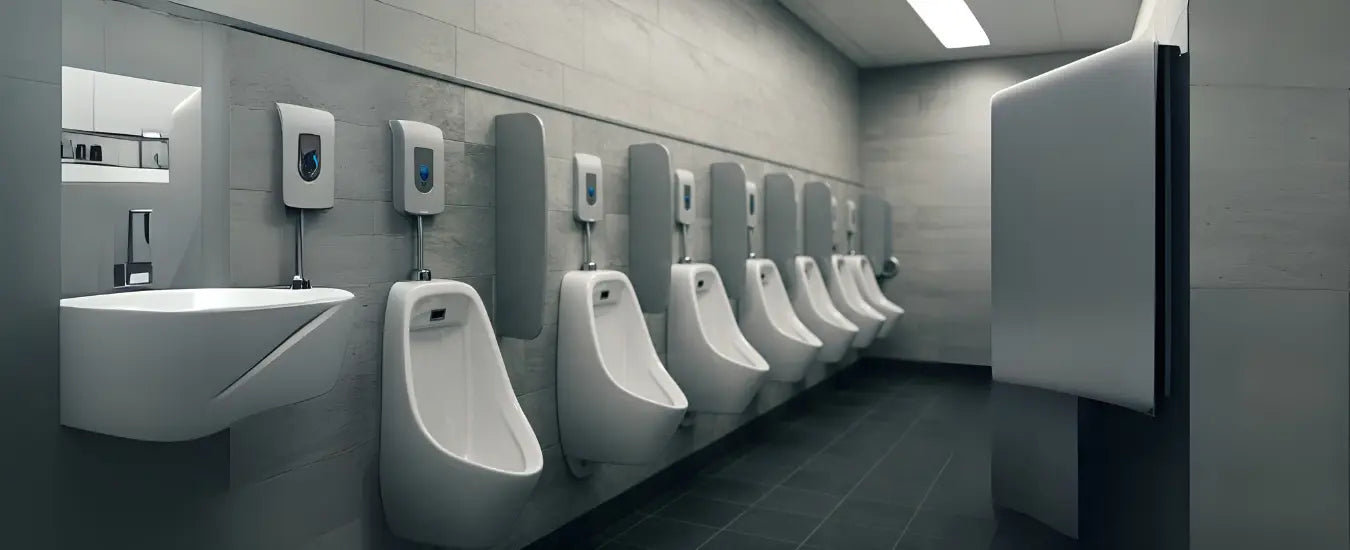
In a busy public washroom—think shopping malls, airports, or big corporate offices—you want to keep things clean and hassle-free. Nobody loves pressing a flusher handle after hundreds of strangers. That’s why touch-free solutions are becoming the go-to choice. If you’re weighing up the best automatic urinal sensors & wc flushers for public washrooms – 2025 price review, you’re in the right place. These smart solutions not only keep restrooms more hygienic, but they also help you save water and lower maintenance costs. Let’s dive into their benefits, key features, and factors to consider, so you can make the smartest choice for your facility.
Recognize the advantages of sensor flushing
The biggest reason you’ll want automatic flushers is straightforward: better hygiene. When users don’t have to handle a physical lever, germs have fewer places to spread. This is especially vital in high-traffic restrooms where hundreds or thousands of people pass through daily.
Beyond hygiene, you’ll also see water savings. Sensor-activated flushers release only the necessary amount of water, whereas manual flushers can get stuck or people “double flush” out of habit. Over time, those wasted gallons add up—and your facility’s monthly water bill can reflect that. So if you’re aiming to reduce operating costs while improving user experience, sensor flushing might be your next upgrade.
How sensor flushing works
-
A sensor (usually infrared or ultrasonic) detects when a person steps away from the urinal or toilet area.
-
A built-in mechanism triggers a flush after a set delay, ensuring proper sanitation.
-
Many sensors can adjust flush volume based on how long someone remains in range, providing further water efficiency.
Key hygiene perks
-
No direct contact with handles or buttons
-
Reduced spread of bacteria across high-touch surfaces
-
Fewer surfaces to disinfect, saving cleaning staff time
Compare manual and sensor-based solutions
Before jumping into a sensor-based system, it helps to consider the differences between your current setup and a possible upgrade. You might already have older, handle-based flushers installed. Replacing them with automatic ones usually means up-front costs, plus the effort of retrofitting or installing new hardware.
On the plus side, while manual flushers are tried-and-true, they rely on users remembering to flush—and flush the right amount. Sensor-based systems do that for them, ensuring consistent cleanliness. People are also more comfortable in a modern restroom environment where they don’t have to touch any questionable surfaces.
Maintenance factor
-
Manual systems: Spare parts may be cheaper, and repairs can be simpler.
-
Sensor systems: Typically longer intervals before major repairs, but replacing sensors or batteries may cost more.
User satisfaction
-
Manual systems: Requires user compliance for flushing and hygiene.
-
Sensor systems: Boosts user confidence in restroom cleanliness, especially in the health-aware climate of today.
Spot the features that matter
Let’s say you’re sold on the idea. Now comes choosing the right product. It’s wise to narrow down the most important characteristics that can keep your facility’s operations running smoothly. If you’re searching for cost-effective solutions, pay attention to sensor accuracy, battery life, and overall durability.
The sensor range and technology type matter a lot. Too sensitive, and you’ll get random flushes that waste water. Not sensitive enough, and users might find the flusher unresponsive. Also consider the installation and design—some sensors mount behind a panel, while others come with a more visible fixture.
Features checklist
-
Sensor range: Typically adjustable to match restroom layout
-
Battery or mains power: Some systems are battery-operated, some need a power line
-
Flush volume settings: Look for adjustable flush volumes for water conservation
-
Materials: Choose corrosion-resistant materials if your water has a high mineral content
-
Warranty: Aim for at least a one-year warranty, and check if extended coverage is available
Balancing technology and simplicity
You might spot advanced models jam-packed with extra features, like smartphone connectivity or real-time data tracking. Those are great if you love analytics, but always weigh whether you truly need them. Sometimes, a simple infrared model that reliably senses user presence is perfectly adequate.
Plan your installation approach
Switching from manual to sensor-based flushers isn’t usually a complicated job, but it does require coordination with your internal maintenance staff or a contracting team. You’ll want to plan around times your facility sees lower traffic, so downtime doesn’t seriously inconvenience visitors.
Retrofitting existing units can sometimes be very straightforward. Many automatic urinal sensors or WC flushers are designed to replace the handle assembly directly, requiring only a minor change in how water enters the fixture. In other situations—especially if you own older toilets or urinals—you may need to replace the entire fixture for a perfect fit.
Professional vs. DIY
-
Professional installation:
-
Ideal for bigger facilities.
-
Ensures warranty compliance and best results.
-
Faster, with less trial-and-error.
-
-
DIY approach:
-
Possible for smaller offices with handy maintenance teams.
-
Allows you to stagger purchases and manage budgets.
-
Requires a thorough understanding of plumbing essentials.
-
Focus on cost reduction and ROI
Buying and installing new automatic flushers can feel expensive at first glance, but your long-term savings can offset that cost. Sensor-based flushers often use less water on average compared to manual ones. Over the course of a year, these savings can add up, especially if you manage a large building with many bathroom fixtures.
Many facility managers notice fewer plumbing-related mishaps once they adopt sensor-based systems. Manual handles can break due to misuse, while sensors typically operate behind robust casings. Combined with lower water bills, fewer part replacements, and improved restroom reputation, you end up with an investment that can pay for itself in a few years—or sometimes faster.
Calculating ROI
-
Determine your building’s current water usage
-
Factor in how often parts need replacing (levers, rubber seals, etc.)
-
Estimate future water cost savings after switching
-
Consider intangible benefits like less staff time spent disinfecting handles
Realistic budgeting tips
-
Start small. Replace flushers in your busiest restrooms first, then scale up.
-
Seek volume discounts if you plan to replace multiple fixtures at once.
-
Use maintenance logs to track improvements in building operations post-installation.
Maintain your system
You’ve chosen and installed a sensor-based flusher. Now you want to keep it in top condition. While automatic systems typically require less day-to-day attention, they still need periodic checks and cleaning. Sensors can accumulate dirt or mineral deposits, especially if your water has high calcium content.
Batteries are another point of focus. Some models let you know when battery levels are low via an LED light or beep. Others need periodic checks from your maintenance team. Unsurprisingly, restroom usage is rarely uniform, so certain fixtures may require new batteries faster than others.
Upkeep routine
-
Wipe sensors gently with a soft cloth or mild cleanser. Avoid abrasive scrubbing.
-
Inspect sensor range if flushes become inconsistent. Most have an adjustment dial.
-
Replace batteries every 1–2 years, depending on traffic volume.
-
Check fittings for leaks or corrosion.
Troubleshooting common issues
-
Sensor won’t detect the user: Try cleaning the lens or resetting the sensor range.
-
Constant flushing: Check for object interference or incorrect sensor calibration.
-
Low water pressure: Confirm your facility’s supply lines aren’t partially blocked.
Weigh brand and warranty options
Once you start choosing from different models, brand reputation can help you narrow things down. Well-known manufacturers often have more reliable parts and warranties. They typically invest in research and development that reduces how often you’ll be messing with maintenance or replacements.
At the same time, don’t overlook a smaller or newer brand if they can prove their reliability. What truly matters is whether they meet industry standards, provide robust warranties, and have a responsive customer support service. You won’t want to fight a slow manufacturer hotline if something malfunctions in your busiest restrooms.
Questions to ask providers
-
How long is your standard warranty?
-
What’s your typical response time for support?
-
Do spare parts come from the same manufacturer, or are they generic?
-
Have you tested your sensors for high-volume usage conditions?
Protected investment
If you’re running a large facility, it may be worth paying extra for an extended warranty. That way, if your sensor breaks unexpectedly in year two or three, you’re covered. For smaller-scale restrooms, you might skip the extended plan, especially if you plan to upgrade technology again in a few years.
Make the user experience smooth
Even when you have the best tech, user comfort is key. Nobody wants a flush that goes off early. Likewise, a slow or delayed flush can confuse visitors, especially if they’re expecting instant cleaning. Fine-tune your sensors to make sure they respond just right.
Some systems also offer adjustable flush intervals. This flexibility is helpful in restrooms that get sudden bursts of traffic, such as during conference breaks. Tweaking flush intervals can help maintain cleanliness without overusing water. At the end of the day, you want visitors walking away with a positive impression, rather than concerns about equipment that feels too fussy or complicated.
Simple user satisfaction tips
-
Post small signs: “Touch-free flush—system will activate automatically.”
-
Maintain consistent sensor height: Users shouldn’t have to guess the location.
-
Provide adequate lighting: Sensors often work better in well-lit areas.
Handling quick feedback
Encourage feedback from your custodial staff and from restroom users, if possible. A quick conversation or suggestion box can reveal minor sensor issues before they become big problems. Over time, that proactive approach keeps everything running at its best.
Look at modern sustainability trends
Automatic flushers aren’t just about consumer convenience—they align with broader sustainability and green building practices. If your organization is trying to meet certain environmental certifications, like LEED (Leadership in Energy and Environmental Design), installing sensor-based flushers can contribute to water-use reduction credits.
In some municipalities, you can also find rebates or incentives for upgrading your plumbing fixtures to more efficient models. Check your local utility guidelines to see if you qualify. These programs often aim to encourage reduced water consumption in commercial and public buildings. Even if the steps sound minor, every drop helps, and that reflects well on your institution’s public image.
Eco-minded tips
-
Pair low-flow urinals with sensor flushers for even greater efficiency.
-
Monitor water usage regularly to see the exact impact of your new system.
-
Explore synergy with other green restroom upgrades, such as air hand dryers instead of paper towels.
Going beyond flushers
If your aim is a fully modern, hygienic washroom, consider installing touch-free taps, soap dispensers, and hand dryers too. That way, you create a near-hands-off experience from start to finish. Each incremental improvement helps reduce cleaning burdens and fosters a healthier environment overall.
Revisit the main reasons to upgrade
By now, you’ve seen a complete picture of sensor-based flushing systems. They improve hygiene, set a professional tone, and cut down on water bills. When you bring all these benefits together, your facility can shine and your users can appreciate the ease of a modern washroom.
And if you’re specifically searching for reliability, keep an eye on the top-performing brands mentioned in industry forums or recommended by your colleagues. While premium systems might cost more, they often bring better outcomes in the long term—fewer breakdowns, better parts availability, and happier guests.
Practical advice in a nutshell
-
Match your sensor choice to your restroom traffic needs.
-
Talk to a trusted plumber about installation logistics.
-
Use a maintenance schedule for ongoing checks.
-
Consider brand reputation and warranty options to protect your investment.
Final thoughts and next steps
Whether you manage a small office or a sprawling airport, installing automatic flushers can make your building more inviting and cost-efficient. Nobody wants to touch a grimy handle or waste gallons of water per flush. That’s why exploring the best automatic urinal sensors & wc flushers for public washrooms – 2025 price review could be your best move right now. With careful planning, you’ll improve hygiene, conserve resources, and give visitors a genuinely modern restroom experience.
As a next step, gather your procurement team or facility managers. Evaluate your budget, then make a shortlist of sensor flusher models that match your building’s specific needs. Getting started might feel like a leap, but once those sensors are in place, you’ll likely wonder how you ever managed without them. And that’s the real proof of a smart investment—when the payoff in time, efficiency, and user satisfaction speaks for itself. If you have further questions, be sure to consult plumbing experts or reach out to product manufacturers directly. It never hurts to do a quick test installation in one or two stalls before you fully commit. Good luck, and happy upgrading!
Browse Our Trending Categories
Hand Dryer | Soap Dispenser | Air Curtain | Carpet Tiles Flooring
Maximize Hygiene: How to Maintain Liquid Soap Dispensers
Your Friendly Air Curtain Buyer’s Guide 2025 for Businesses